
Root Board Game
Dire Wolf DigitalBoard
4.9617.00 Reviews
- Version
- 2.1.5
- Installs
- 100.00K
- Age Rating
- Everyone
Screenshots
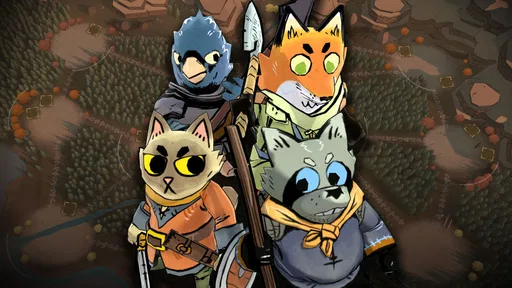
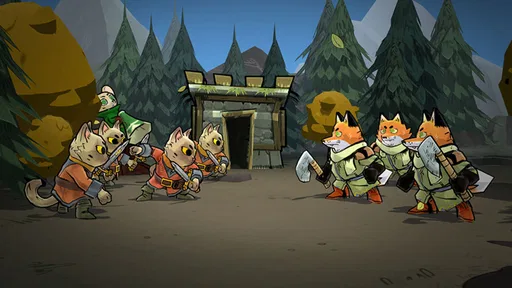
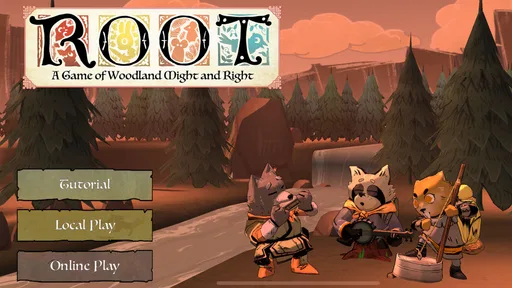
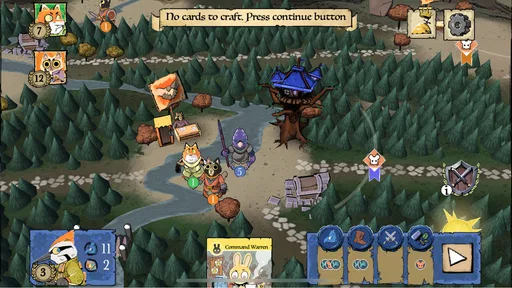
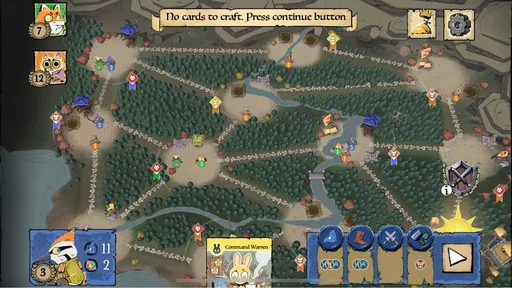
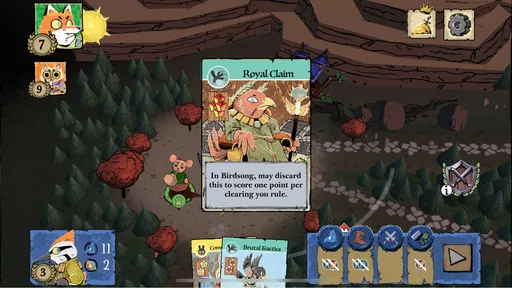
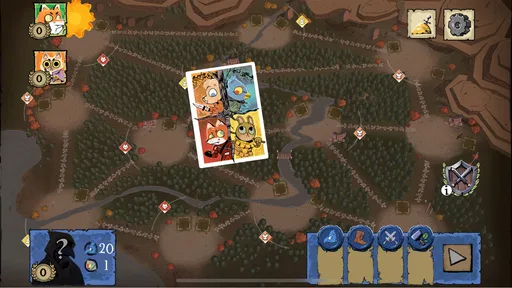
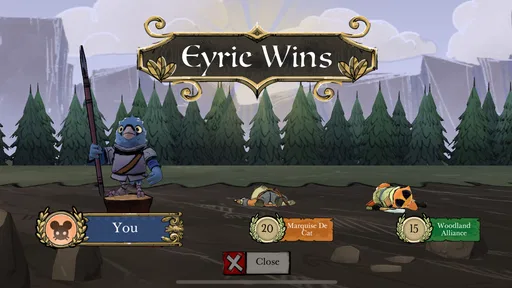
Our Review of Root Board Game
 Analysis by Appyee
I found that Root takes a different approach from the quick, self-contained board games people often reach for on a phone. It asks you to learn a shared set of rules, then see how very different woodland factions bend those rules toward their own goals. My first useful target wasn’t winning; it was finishing a turn without losing track of why I had taken each action. Once that clicked, the choices started to feel less like a pile of instructions and more like a plan.
What to expect from the forest
Root Board Game is a paid strategy game from Dire Wolf Digital, built around asymmetric conflict rather than identical teams competing on equal terms. The digital edition was released on Sep 24, 2020, and its current version is 2.1.4. It costs $9.99, with optional in-app purchases listed from $5.99 to $9.99 per item, so I’d treat the initial purchase as a deliberate choice rather than a casual free download.
The game is rated Everyone and requires Android 7.0 or later. It has 100K+ installs and a 4.9 average from around 9.4K ratings, with 573 written reviews. Those figures suggest a strong following, but they don’t tell you whether the game suits your taste: the more useful question is whether you enjoy studying a board state and adjusting your plans when an opponent disrupts them.
The appeal is the contrast between the charming woodland presentation and the sharp decisions underneath it. The forest may look welcoming, but it is not a relaxed game of simply collecting pieces. Each faction has its own way of approaching the contest, so learning one side does not automatically teach you how to use or stop the others. I like that variety, though it also means the first few plays can feel demanding if you expect to understand everything at a glance.
The Charm of Woodland Warfare
Right off the bat, Root Board Game immerses you in a beautifully illustrated forest world. The visuals are stunning, with vibrant colors and detailed artwork that bring the game’s woodland creatures to life. You’ll be leading one of the factions, each with its own unique abilities and strategies, to dominate the forest. Whether you’re the cunning Marquise de Cat looking to expand your woodsy empire or the rebellious Woodland Alliance stirring up trouble, there’s a faction for every play style.
Gameplay Mechanics
The learning curve can be a bit steep, especially if you’re new to the board game scene. But don’t worry; the app does a great job of guiding you through with tutorials and tips. You’ll need to manage resources, plan your moves, and anticipate your opponent’s strategies. It’s all about balancing aggression with diplomacy, and sometimes a bit of deception doesn’t hurt.
One of the coolest features is the asynchronous multiplayer mode. You can play with friends or get matched with players online, making it super convenient for those of us with busy schedules. There’s also a solo mode if you prefer going it alone or want to practice your skills before taking on human opponents.
Sound and Music
Let’s talk about the sound design for a second. The ambient forest sounds and whimsical music really set the mood. It feels like you’re right there in the thick of it, plotting your next move under the canopy of trees. The sound effects are spot-on, adding a satisfying touch to every action, whether you’re building, battling, or negotiating.
User Experience
Navigation in the app is pretty smooth. The interface is intuitive and doesn’t overwhelm you with too many options at once. It’s easy to switch between different screens, check your faction’s status, and plan your next move. The developers clearly put a lot of thought into making sure the digital version captures the essence of the physical board game while adding a few digital conveniences.
A calmer way to learn your first turn
For a first session, I’d choose a solo game and focus on a small learning goal: identify what your faction needs to do next, then make one action that clearly serves that need. Rather than trying to memorize every rule before touching the board, use the tutorial prompts when they appear and check the faction information as questions come up. That keeps the learning tied to a real decision instead of turning setup into a study session.
A practical first success is not necessarily scoring a big swing. It might be recognizing that a tempting move does not help your faction’s plan, and choosing a less flashy action that does. I found that this kind of decision is what makes the game start to open up. You begin to see the board as a set of competing priorities, not just a map full of pieces.
When an action seems unclear, pause and look at the faction’s own rules rather than assuming another faction can do the same thing. That small habit saves frustration because the asymmetry is central to the design. It also makes later plays easier: instead of trying to remember everything at once, you build familiarity with one faction’s rhythm and then learn how the others differ.
Everyday play and multiplayer rhythm
The asynchronous option is especially useful when a group cannot sit down at the same time. A game can fit around a workday or household routine: make a move during a break, then return when the other players have acted. That rhythm suits people who like to think between turns, though it will not satisfy someone looking for a quick match that begins and ends in one short sitting.
Before inviting friends, I’d make sure everyone is comfortable with a strategy game that takes some explanation. A useful approach is to agree that the first match is for learning, not proving who is best. Each player can concentrate on their own faction’s immediate goal, and questions about the board become part of the session instead of interruptions. If your group prefers fast party games, this is probably the wrong pick for that evening.
Solo play has a different value: it lets you practice without worrying that your learning pace is holding up another person. I’d use it to test how a faction’s actions fit together and to get used to reading the board. It is a helpful bridge to multiplayer, but it cannot fully prepare you for human opponents, who may make surprising choices or target a weakness you did not expect.
Reading the board without getting lost
A common source of confusion is focusing on the most visible conflict while overlooking what each faction is trying to accomplish. Before choosing a move, I recommend checking your own position and asking, “What does this action improve for me?” If the answer is hard to name, compare it with another available option. That quick pause can prevent a turn that looks active but leaves your broader plan unchanged.
Another useful habit is to watch how the other factions’ progress changes the urgency of your decisions. Root is not only about building your own position; it is also about noticing when someone else is close to making a move that changes the balance. You do not need to predict every possibility. Just scan for an opponent who seems to be advancing quickly, then decide whether responding is more important than continuing your own plan.
The trade-off is that this attention takes time. Players who enjoy tactical puzzles may find that satisfying, while people who want to play instinctively may feel they are constantly checking rules and weighing consequences. The tutorial can make the initial learning more approachable, but it does not remove the need to practice. I would not recommend it as a no-explanation choice for a mixed group of casual players.
Sound and Music
Let’s talk about the sound design for a second. The ambient forest sounds and whimsical music really set the mood. It feels like you’re right there in the thick of it, plotting your next move under the canopy of trees. The sound effects are spot-on, adding a satisfying touch to every action, whether you’re building, battling, or negotiating.
User Experience
Navigation in the app is pretty smooth. The interface is intuitive and doesn’t overwhelm you with too many options at once. It’s easy to switch between different screens, check your faction’s status, and plan your next move. The developers clearly put a lot of thought into making sure the digital version captures the essence of the physical board game while adding a few digital conveniences.
Digital board or tabletop night?
Compared with lighter mobile board games, Root asks for more sustained attention and rewards players who enjoy learning how rules interact. Its digital format is appealing when you want the game available without arranging a physical setup, and asynchronous play gives a group flexibility. A physical board game may be a better fit when the main point is chatting face to face, teaching everyone together, or enjoying the tactile feel of pieces and cards.
It also differs from a simple strategy game against a computer because the changing faction goals matter as much as the map itself. That makes repeat plays interesting, but it raises the effort needed to get comfortable. If you already enjoy board games with distinct player roles and indirect competition, the learning investment is likely part of the fun. If you want a familiar ruleset you can pick up instantly, a simpler digital board game will be a more comfortable choice.
The initial price is another reason to be selective. I’d buy it because I want to explore this particular style of asymmetric strategy, not just because I happen to be looking for something to play on my phone. Optional purchases can add to the overall spend, so it makes sense to decide what you want from the base game first and avoid treating every extra as necessary. The core attraction is the strategic experience, not a promise that every player will want additional content.
Replayability Factor
If you’re worried about getting bored, don’t be. The variety of factions and the random setup of the board ensure that no two games are alike. Plus, the developers are good about rolling out updates and new content, so there’s always something fresh to keep you coming back for more. It’s one of those games that you can play over and over and still find new strategies and tactics to explore.
Replay value is strongest when you treat each match as a chance to understand a different angle of the forest. A faction you have learned from one side can feel completely different when you face it as an opponent. I would not expect every match to feel equally smooth, especially while you are still learning, but the changing interactions give experienced players reasons to reconsider familiar plans.
For someone deciding whether to install it, the key question is how much time they want to invest in learning. If you enjoy replaying a game to refine a strategy, the depth can be a real draw. If you tend to uninstall games once the basic rules stop feeling novel, Root may ask for more patience than you want to give it. The presentation is inviting, but the underlying game is better suited to deliberate play than quick distraction.
And let’s not forget the community. Online forums and groups are buzzing with strategies, tips, and friendly discussions. It’s a great way to connect with other players, pick up new tricks, and share your epic victories or crushing defeats.
Who I’d recommend it to
I’d point Root toward players who like planning several turns ahead, adapting when another player interferes, and learning a game by seeing its systems in action. It can also work for a board-game group that wants a digital option for playing when meeting in person is difficult. The strongest match is someone willing to begin with a tutorial or solo practice and accept that early turns may involve checking what a faction can do.
I would steer away from it if you want a very short, low-pressure game, dislike reading rules, or mainly use mobile games for brief moments with no ongoing commitment. It is also not my first recommendation for a group where one person loves strategy and everyone else expects the same simple choices. The game’s asymmetry is a strength only when players are willing to engage with it.
If you are choosing between this and a physical copy, consider how you usually play. Pick the digital game when convenience, solo practice, or asynchronous turns matter most. Choose the tabletop experience when gathering around a shared board is the point. Neither format changes the fact that Root rewards attention, but the setting can make one option feel much more natural than the other.
Final Thoughts
So, is Root Board Game worth the download? Absolutely! Whether you’re a strategy aficionado or just looking for a fun and engaging game to sink your teeth into, this app delivers. It’s challenging, visually appealing, and endlessly replayable, making it a fantastic addition to any gamer’s library. Plus, who doesn’t love a good woodland skirmish?
So go ahead, dive into the forest, choose your faction, and start plotting your path to victory. You won’t regret it!
Verdict
Strengths of Root Board Game
- Immersive gameplay captures the board game feel.
- Beautiful, detailed graphics enhance experience.
- Strategic depth keeps players engaged for hours.
- Online multiplayer for competitive matches.
- Tutorials make learning easy for beginners.
Limitations of Root Board Game
- Can be overwhelming for new players.
- In-app purchases can be pricey.
- Requires stable internet for online play.
- Occasional bugs disrupt gameplay.
- Limited single-player content options.
Other Releases by Dire Wolf Digital
View All


Similar Picks in This Category
View All
Ludo King®
Gametion4.1

Ludo
Yarsa Games4.6

Tile Master® - Matching Game
Higgs Studio3.6

Checkers Online
CC Games4.6

Dominoes
Loop Games4.7

Chess
Chess Prince4.6
Frequently Asked Questions
What is the main objective of the Root Board Game app?
Root Board Game is a digital adaptation of the beloved tabletop game where players lead factions in a battle for control of a wilderness. Each faction has unique abilities and strategies, offering diverse gameplay experiences. The objective is to outmaneuver opponents, expand your territory, and achieve dominance over the forest.
Is the Root Board Game app suitable for beginners?
Yes, the game includes a tutorial mode that is perfect for beginners. It explains the rules, mechanics, and strategies for each faction. This helps new players understand the game before diving into more complex matches, making it accessible even if you haven’t played the physical board game before.
Does Root Board Game support multiplayer mode?
Indeed, Root Board Game supports both online and local multiplayer modes. You can compete against friends or players worldwide, or play pass-and-play with people nearby. The game also includes a robust matchmaking system, ensuring balanced and exciting multiplayer experiences.
Are there any in-app purchases in Root Board Game?
Yes, the app offers in-app purchases, primarily for expansion packs that introduce new factions and gameplay elements. These expansions enhance replayability and offer fresh challenges, but the core game is fully playable without them. It's a great way to expand your experience if you enjoy the base game.
What devices are compatible with the Root Board Game app?
Root Board Game is available on both Android and iOS platforms. It's optimized for a wide range of devices, but for the best experience, it's recommended to use a device with a larger screen and a recent operating system version. Always check the app store for specific compatibility details.
Play our best games!


